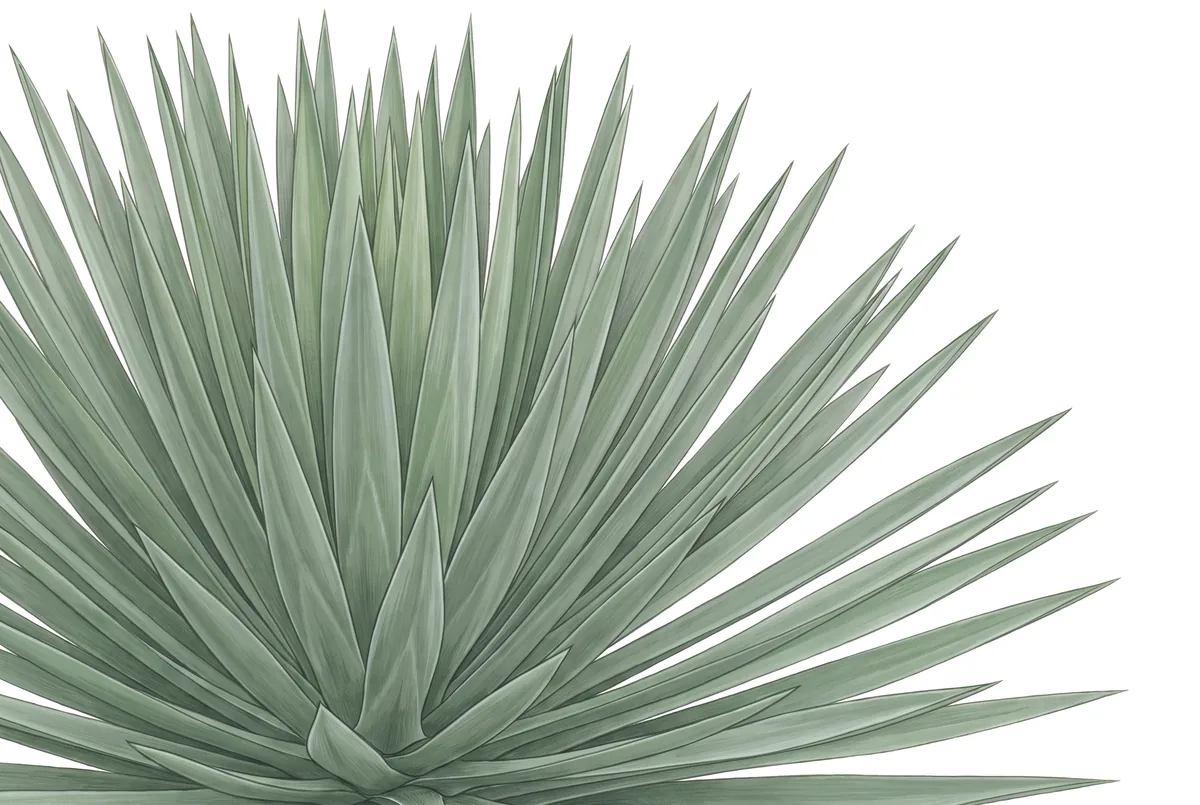
- Type
- Evergreen tree
- Height
- 4 m to 9 m
- Spread
- 2.5 m to 6 m
- Growth
- Slow
- Flowers
- White, spring and winter by South Australia's Plant Selector; summer by the RHS and Virginia Tech
- Sun
- Full sun
- Drought
- Tolerant
- Frost
- Tolerates moderate frost
- In Australia
- Not native
Some growers show prices to verified trade buyers. Sign in or sign up with your ABN to see them and order.
Also grown by 16 nurseries (no sizes or prices listed)
Enquire with them for sizes and prices.
- Arborglen Wholesale NurseryGlenorie, NSW
- Berkie Palms | Wholesale Plant Nursery in NewcastleEleebana, NSW
- Cabbage Tree NurseryDural, NSW
- Cape NurseryEwingsdale (Byron Bay), NSW
- Daradgee Wholesale NurseryFitzgerald Creek, QLD
- Ellenby Tree FarmGnangara, WA
- ForsterianaDarawank, NSW
- Kingscliff NurseryCudgen, NSW
- Lakewood PropagationPalmwoods, QLD
- Lydone GardenApplecross, WA
- Perth Dragon TreesNeerabup, WA
- Premier Palms NurseryMariginiup, WA
- Sunshine Coast PlantsQLD
- The Backyard NurseryKenthurst, NSW
- The Plant Supply CoWA
- Touch Of Eden NurseryCaboolture, QLD
Growing dragon tree
Position and soil. South Australia's Plant Selector asks for an open, sunny aspect and well-drained soil, and lists clay, loam and sand, acid, neutral or alkaline, with lime among what it tolerates. The RHS adds chalk and asks for soil that is moist but well-drained.
Water. The Plant Selector rates its need for extra water as minimal, lists drought among its tolerances and says it takes difficult growing conditions.
Frost and climate. The Plant Selector lists moderate frost among its tolerances. HortFlora singles it out as the one dracaena that survives cooler climates, the rest of the genus being tropical and, in the south, mostly grown indoors. The RHS, writing for the United Kingdom, rates it H1C, a plant that can be grown outside in the summer, with a minimum temperature range of 5 to 10 degrees C. No reference read gives a figure for how cold it will go in Australia.
Growth and care. It is slow: the RHS gives 20 to 50 years to maturity, and a sign from Botanic Gardens Conservation International says it grows very slowly. The RHS says it needs no pruning; the Plant Selector says it needs some upkeep, because it can grow into a bigger tree over the years. The RHS says plants under glass in the United Kingdom may be susceptible to red spider mite and scale, and calls it generally disease-free; no Australian reference read names a pest.
Using dragon tree
The references treat it as an ornamental. South Australia's Plant Selector describes a hardy, long-lived tree with a prehistoric look, lists it for landscapes from the coast and second-line coast to the plains, footslopes and hills, and notes it has been used successfully in rooftop gardens. The RHS lists it among patio and container plants and finds it tolerant of low light indoors. HortFlora says it can be seen in old botanic gardens and specialist collections. Its red resin, which the Plant Selector calls a latex, has been used as a varnish, both note, and the Plant Selector says Italian violin makers used it.
What to check before you buy
Growers list it as Dracaena draco, Dragon Tree or both, and some list multi-headed and multi-stemmed plants, larger plants and seconds under their own names: compare like with like before comparing prices. The table above shows the sizes growers list, and the guide to nursery pot sizes explains the pot and bag sizes on a list. It is an exotic in Australia. Stock moving between states travels under the state and territory biosecurity rules.
Cautions
The ASPCA lists Dracaena species as a group (Dracaena spp.), with dragon tree among the common names it gives, as toxic to dogs and cats, naming saponins, with signs such as vomiting, sometimes with blood, drooling and loss of appetite.
Used forpots and courtyardscoastal
Prices are set by each grower and shown ex GST. Availability is confirmed by the grower at order.
Common questions
- Who grows Dracaena draco wholesale in Australia?
- 30 wholesale growers list Dracaena draco on HortOS right now, each with their own pot sizes and trade prices. They are in New South Wales, Queensland, Victoria and Western Australia. The growers are named on this page.
- What pot sizes does Dracaena draco come in?
- Growers on HortOS list Dracaena draco in Tube, 66mm, 120mm, 200mm, 250mm, 300mm, 400mm, 500mm, 5L, 45L and 10 more sizes.
- What does Dracaena draco cost wholesale?
- The median trade price in a 300 mm pot is $75.17 ex GST, across 12 growers who price it. Prices by pot size and state are on its trade price page.
- How do I order Dracaena draco from these growers?
- HortOS is for the trade. Add the lines you want to a list and send it: each grower gets their part of the order by email, confirms what they have and quotes freight, and nothing is bought until you approve it. Listing, searching and ordering are free.
- Is Dragon Tree the same as Dracaena draco?
- Yes. Dragon tree is the common name of Dracaena draco in HortFlora and the RHS, and dragon's blood tree another, and Dragon Tree with no other words is the name of the straight species. Multi-headed and multi-stemmed plants are listed separately.
- How big does a dragon tree grow?
- South Australia's Plant Selector gives 8 to 9 m tall and 5 to 6 m wide, and the RHS 4 to 8 m by 2.5 to 4 m. Virginia Tech gives commonly about 6 m, often with a crown spread twice the height, and up to 18 m, which is out of line with the others.
- How fast does a dragon tree grow?
- Slowly. The RHS gives 20 to 50 years to reach maturity, and the Botanic Gardens Conservation International sign says it grows very slowly and flowers only every 15 years.
- Is the dragon tree frost hardy?
- South Australia's Plant Selector lists moderate frost among what it tolerates, and HortFlora says it survives cooler climates, unlike the rest of its genus. The RHS rates it H1C for the United Kingdom, a plant that can be grown outside in the summer, with a minimum temperature range of 5 to 10 degrees C. No reference read gives a temperature it will take in Australia.
- Does a dragon tree need much water?
- No. South Australia's Plant Selector rates its need for extra water as minimal and lists drought among its tolerances, while the RHS asks for soil that is moist but well-drained.
- Why is it called dragon's blood tree?
- For its red sap. HortFlora says the genus name comes from the ancient Greek for a female dragon, the thickened sap being likened to dragon's blood, and that the red resin of this species has been used as a varnish.
- Does the dragon tree flower?
- Only when mature, the RHS says. Virginia Tech describes small, bell-shaped, creamy yellow-white flowers massed on branched clusters that stand upright, up to about 60 cm tall, and fleshy orange fruit about 1.3 cm across; the RHS gives greenish-white flowers and orange-red fruit. South Australia's Plant Selector gives spring and winter flowering, the RHS summer.
- Is the dragon tree rare?
- In the wild, yes. The Botanic Gardens Conservation International sign says its wild habitat has gone to farming and to fires, that introduced animals eat its leaves and seeds, and that few trees are left where it was once common; national laws now protect it from wild collection, and it grows in many botanic gardens around the world.
Sources
- GBIF species match API
- Atlas of Living Australia (Dracaena draco, the name taken from the New Zealand Organisms Register)
- Plant Selector+, Botanic Gardens and State Herbarium of South Australia (Department for Environment and Water): Dracaena draco, dragon's blood tree
- ASPCA Animal Poison Control, Toxic and Non-Toxic Plants: Dracaena (Dracaena spp.)
- Royal Horticultural Society (RHS) plant profile: Dracaena draco, dragon tree
- Virginia Tech Dendrology fact sheet (Department of Forest Resources and Environmental Conservation): dragontree, Dracaena draco
- Botanic Gardens Conservation International (BGCI), Care for the Rare sign library: Canary Islands dragon tree, Dracaena draco
- HortFlora, the Horticultural Flora of South-eastern Australia (Royal Botanic Gardens Victoria): the genus Dracaena, whose notes treat D. draco
- The HortOS catalogue (the names growers list it under, and the multi-headed and multi-stemmed rows; the names growers list it under, and the multi-headed, multi-stemmed, large and seconds rows)
- The HortOS guide to nursery pot sizes
The growers, sizes and prices above are live and change as lists arrive. Cite this page: HortOS, Dragon tree (Dracaena draco), https://au.hortosapp.com/plants/dracaena-draco.
Found a fact that is wrong? Tell us and it is checked against its source.