Cornus stolonifera
Every Cornus stolonifera on HortOS in one place: the plain species and 2 varieties. Pick a size to see it across all of them.
Part of Cornus: see them all
4 growers · 1 size · from $13.00 ex GST
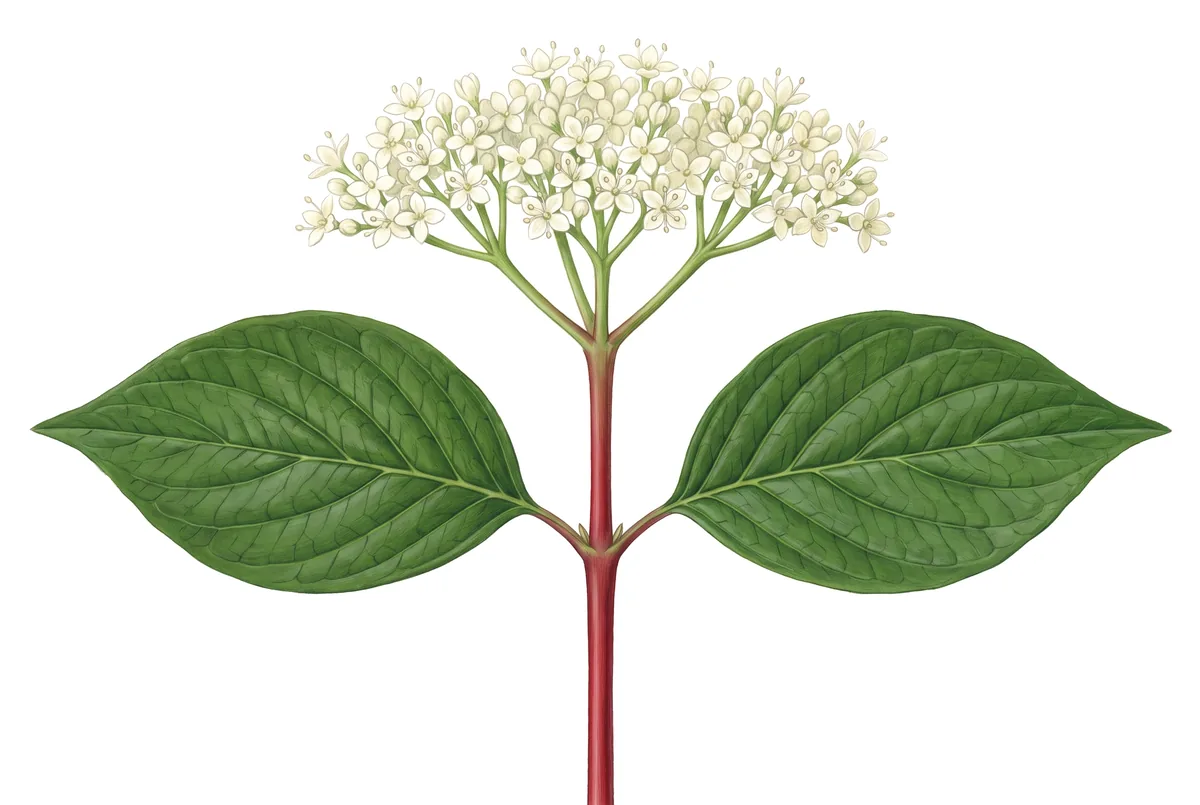
- Type
- Deciduous shrub
- Height
- 1.5 m to 2.7 m
- Spread
- 1.5 m to 3 m
- Growth
- Fast
- Flowers
- White, late spring to summer
- Sun
- Full sun to part shade (Missouri Botanical Garden and North Carolina State Extension); sun or partial shade (the RHS)
- In Australia
- Not native
| Size | Grower | PricePrice ex GST | ||
|---|---|---|---|---|
| 200mm | Exeter Designer PlantsFlaviramea200mm | $13.00 | ||
| 200mm | Eumundi RosesFlaviramea Yellow Stem Dogwood200mm | $24.00 | ||
| 200mm | Heritage Nursery200mm | $39.99 | ||
| 200mm | Poyntons Nursery200mm | $39.99 |
What to check before you buy
Growers list this species as Cornus stolonifera and Cornus sericea, as red twig dogwood, and as the yellow-stemmed Flaviramea under both names. GBIF treats Cornus stolonifera Michx. as a synonym of Cornus sericea L.; Missouri Botanical Garden says the plant was formerly known as C. stolonifera, the RHS lists C. stolonifera and Swida stolonifera as synonyms, and HortFlora, the horticultural flora of south-eastern Australia, still describes it under C. stolonifera. The references differ on the leaf: medium to dark green by the American references, mid-green with a grey underside by the RHS, and waxy blue on both faces by HortFlora. Stock that crosses a state border moves under the state and territory biosecurity rules on moving plants and soil. Missouri Botanical Garden names it for a screen along a boundary, for planting in a mass and as a specimen; those are the uses on its card.
Prices are set by each grower and shown ex GST. Availability is confirmed by the grower at order.
Common questions
- Who grows Cornus stolonifera wholesale in Australia?
- 4 wholesale growers list Cornus stolonifera on HortOS right now, each with their own pot sizes and trade prices. They are in New South Wales, Queensland, the ACT and Victoria. The growers are named on this page.
- What pot sizes does Cornus stolonifera come in?
- Growers on HortOS list Cornus stolonifera in 200mm.
- How do I order Cornus stolonifera from these growers?
- HortOS is for the trade. Add the lines you want to a list and send it: each grower gets their part of the order by email, confirms what they have and quotes freight, and nothing is bought until you approve it. Listing, searching and ordering are free.
Sources
- GBIF species match API: Cornus sericea
- GBIF species match API: Cornus stolonifera (a synonym of Cornus sericea)
- HortFlora, the Horticultural Flora of South-eastern Australia (Royal Botanic Gardens Victoria): Cornus sericea subsp. sericea, described under Cornus stolonifera
- HortFlora, the Horticultural Flora of South-eastern Australia (Royal Botanic Gardens Victoria): the genus Cornus
- Missouri Botanical Garden Plant Finder: Cornus sericea
- North Carolina State Extension Gardener Plant Toolbox: Cornus sericea
- Royal Horticultural Society (RHS) plant finder: Cornus sericea
- The HortOS catalogue (the lines growers list under Cornus stolonifera and Cornus sericea)
The growers, sizes and prices above are live and change as lists arrive. Cite this page: HortOS, Red osier dogwood (Cornus sericea), https://au.hortosapp.com/plants/cornus-stolonifera.
Found a fact that is wrong? Tell us and it is checked against its source.