Chamaedorea elegans
Parlour Palm
Part of Chamaedorea: see them all
25 growers · 11 sizes · from $4.65 ex GST
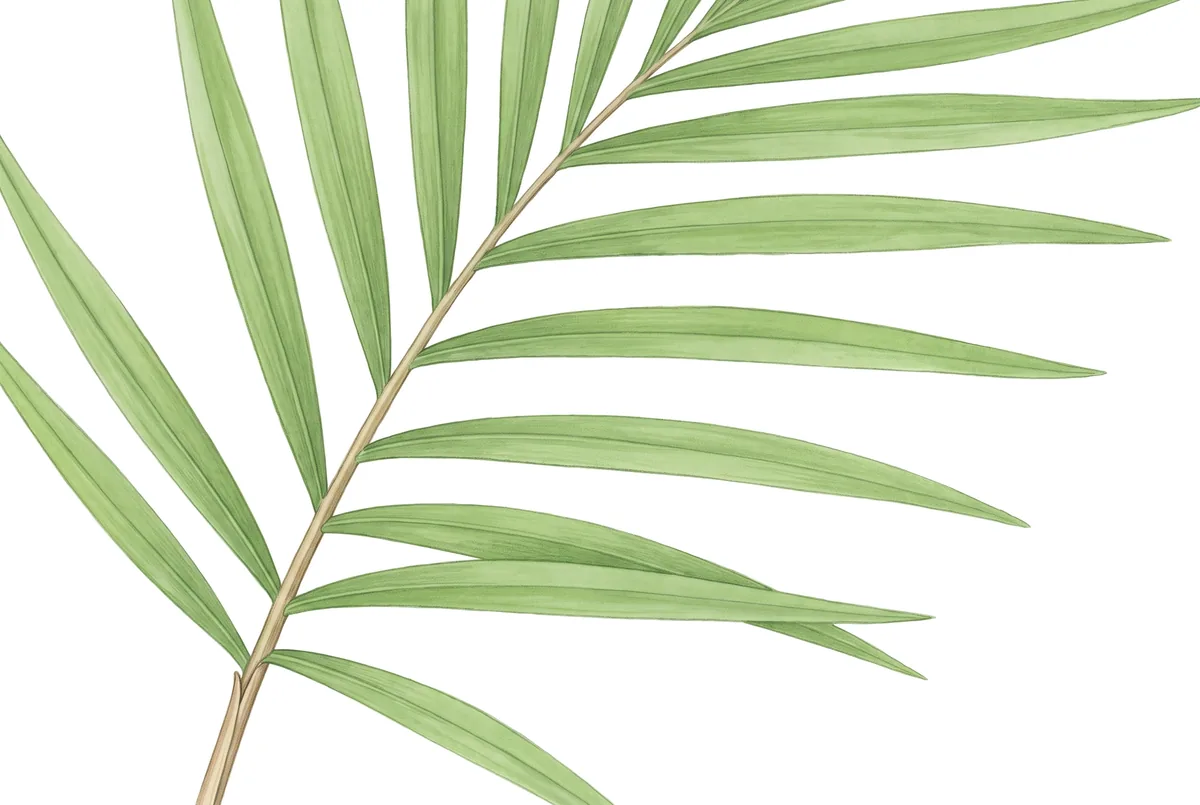
- Type
- Evergreen palm
- Height
- 0.6 m to 2.5 m
- Spread
- 0.6 m to 1.5 m
- Growth
- Slow
- Flowers
- Yellow
- Sun
- Bright, indirect light; copes with partial shade, growing more slowly
- Drought
- Tolerant
- Frost
- Tender
- In Australia
- Not native
Some growers show prices to verified trade buyers. Sign in or sign up with your ABN to see them and order.
Also grown by 10 nurseries (no sizes or prices listed)
Enquire with them for sizes and prices.
- Bamboo ParkValdora, QLD
- Enliven Plants4655, QLD
- ForsterianaDarawank, NSW
- Gill's NurseryCheltenham, VIC
- Kerada Tubestock NurseryCooroy, QLD
- Natures Colours NurseryNSW
- Plant SafariParmelia, WA
- Premier Palms NurseryMariginiup, WA
- The Beach Willow Nursery & CafeMount Duneed, VIC
- The Plant Supply CoWA
Growing parlour palm
Light. Bright but indirect light gives the best growth and the greenest leaves, by the RHS, and also encourages flowering. Partial shade is fine, with slower growth; direct sun, above all in summer, scorches the leaves, and too little light yellows them. The NC State toolbox, an American reference, says it tolerates low light and thrives in the dry air and dim light of interiors.
Warmth. The RHS grows it best at 20 to 27 C through the growing season, cooler in winter, and rates it H1A, under glass all year in Britain. The NC State toolbox gives USDA zones 10a to 12b and asks for protection from cold draughts near windows, doors and vents. No Australian reference was read, so this page gives no Australian climate zone and no frost figure.
Potting and water. The RHS mix is light, fast-draining, peat-free and acid, with perlite or grit; the NC State toolbox asks for a humus-rich, well-drained houseplant mix. Water when the surface has dried, preferably with rainwater, less in winter, and never leave it standing in water: overwatering leads to root rot, and hard, alkaline tap water browns the leaves, by the RHS. The NC State toolbox says it copes with short dry spells but grows more lushly kept moist. Feed monthly from spring to autumn. It is slow, so it stays in its pot for years; when the roots are crowded, repot in spring into a pot only a couple of centimetres wider.
Pests. The RHS names red spider mite, scale insects, thrips and black smut, and says misting helps keep mites away; the NC State toolbox adds mealybugs.
Using parlour palm
It is an indoor palm for pots. The RHS says it is usually grown as a small clump of several single-stemmed plants in one pot, and the NC State toolbox that growers often put three or more plants in a pot for a fuller look, some stems in time being crowded out and dying. The NC State toolbox lists it for containers, houseplants and patios, as an accent or specimen and for mass planting, and calls it one of the most sought-after indoor palms because it thrives in conditions other plants cannot stand. It holds the RHS Award of Garden Merit. The NC State toolbox allows 0.9 to 1.8 m of space for each plant.
What to check before you buy
Growers list this palm as the parlour palm, and some list multi-planted pots of it as a line of their own; check whether a quote is for a single stem or a clump, and quote like with like. The RHS gives Chamaedorea pulchella and Neanthe bella as synonyms, and the ASPCA lists further common names, among them good luck palm and bamboo palm, so read the botanical name. The table above shows the sizes growers list. What to check in the pot, the roots and for pests before stock leaves the grower is set out in the guide to nursery plant quality. Stock moving between states travels under the state and territory biosecurity rules like any other plant.
Cautions
The ASPCA lists the parlor palm, Chamaedorea elegans, as non-toxic to dogs and cats. The NC State toolbox warns that the pulp of the rarely seen fruit contains crystals that irritate the skin of sensitive people, and rates it a low-severity poison to humans through the fruit and sap.
Prices are set by each grower and shown ex GST. Availability is confirmed by the grower at order.
Common questions
- Who grows Chamaedorea elegans wholesale in Australia?
- 25 wholesale growers list Chamaedorea elegans on HortOS right now, each with their own pot sizes and trade prices. They are in New South Wales, Queensland, Victoria and Western Australia. The growers are named on this page.
- What pot sizes does Chamaedorea elegans come in?
- Growers on HortOS list Chamaedorea elegans in Tube, 90mm, 120mm, 125mm, 140mm, 170mm, 175mm, 200mm, 250mm, 300mm and 1 more sizes.
- What does Chamaedorea elegans cost wholesale?
- The median trade price in a 200 mm pot is $24.44 ex GST, across 10 growers who price it. Prices by pot size and state are on its trade price page.
- How do I order Chamaedorea elegans from these growers?
- HortOS is for the trade. Add the lines you want to a list and send it: each grower gets their part of the order by email, confirms what they have and quotes freight, and nothing is bought until you approve it. Listing, searching and ordering are free.
- Is the parlour palm the same as Chamaedorea elegans?
- Yes. Parlour palm is the common name of Chamaedorea elegans, the straight species, by the RHS. The RHS gives as synonyms Chamaedorea pulchella and Neanthe bella.
- How tall does a parlour palm grow?
- Slowly. The RHS growing guide gives 0.3 to 0.6 m for a typical pot plant, reaching 1.2 m over time, and its plant profile a maximum of 1.5 to 2.5 m high and 1 to 1.5 m across.
- Is the parlour palm safe for cats and dogs?
- The ASPCA lists it as non-toxic to dogs and cats. The NC State toolbox notes that the fruit, which is rarely produced, can irritate the skin of sensitive people.
- Why do parlour palm leaves go brown?
- The RHS names overwatering, underwatering, hard tap water and direct sun as causes, and dry air for brown tips. It suggests rainwater, misting the leaves and bright but indirect light.
- Why are there several stems in one pot?
- Each plant has a single stem. Growers put several in one pot for a fuller look, by the RHS and the NC State toolbox, which adds that some stems are crowded out and die over time.
- Does the parlour palm flower?
- Mature plants do. The RHS describes tiny yellow flowers in panicles; the NC State toolbox describes small yellow to orange-red flowers like little balls without petals. Male and female flowers are on separate plants, so black fruit forms only on a pollinated female.
- How much light does a parlour palm need?
- Bright but indirect light, by the RHS, out of direct summer sun, which scorches the leaves. It grows more slowly in partial shade, and the NC State toolbox says it tolerates low light.
Sources
- GBIF species match API
- ASPCA Animal Poison Control: toxic and non-toxic plants, Parlor Palm
- Royal Horticultural Society (RHS), plant profile: Chamaedorea elegans
- Royal Horticultural Society (RHS), growing guide: how to grow chamaedorea
- North Carolina State Extension Gardener Plant Toolbox: Chamaedorea elegans
- HortOS guide: judging nursery plant quality
The growers, sizes and prices above are live and change as lists arrive. Cite this page: HortOS, Parlour palm (Chamaedorea elegans), https://au.hortosapp.com/plants/chamaedorea-elegans.
Found a fact that is wrong? Tell us and it is checked against its source.