Cercis chinensis
Redbud
Every Cercis chinensis on HortOS in one place: the plain species and 3 varieties. Pick a size to see it across all of them.
5 growers · 3 sizes · from $30.00 ex GST
- Type
- Deciduous shrub
- Height
- 2.4 m to 4.6 m
- Spread
- 1.8 m to 3.7 m
- Flowers
- Rosy purple, early spring, for two to three weeks
- Sun
- Full sun to part shade
- Frost
- Not winter hardy; can die back after a hard frost
- In Australia
- Not native
Some growers show prices to verified trade buyers. Sign in or sign up with your ABN to see them and order.
| Size | Grower | PricePrice ex GST | ||
|---|---|---|---|---|
| 200mm | Eumundi RosesChinese Redbud200mm | $30.00 | ||
| 200mm | Yamina Rare PlantsAvondale200mm | $123.05 | ||
| 400mm | Camden NurseriesAvondale400mm | $136.32 | ||
| 400mm | Wells Design Landscapes and GardensChinese Redbud400mm | Price shown to verified trade buyers. Sign in with your ABN to see it. | ||
| 150L | Alpine TreemovalsFaerie Queen150L | Price on application. Sign in to ask the grower. |
Growing chinese redbud
No Australian reference read describes how Chinese redbud grows here, so what follows is North Carolina State Extension's, an American reference. It gives full sun or part shade, with protection from afternoon sun in hot climates, and a well-drained soil of medium moisture without too much clay, though it also calls the plant tolerant of clay or sandy soil and intolerant of heat, drought and wet soil. It says the plant is not winter hardy and can die back after a hard frost, and that the leaves turn at best yellow in autumn. It develops a deep tap root and is hard to move, so it says to choose the site with care.
What to check before you buy
Growers list the species as Cercis chinensis and Chinese redbud, and its forms Avondale, Faerie Queen and Covey Lavender Twist under their own names; Covey Lavender Twist is also listed under Cercis canadensis, so check which species a quote is for. North Carolina State Extension describes Avondale as an upright form with rose to magenta flowers. It is exotic here, a plant of central and southern China. Stock that crosses a state border moves under the state and territory biosecurity rules on moving plants and soil.
Used forspecimenstreet and avenuepots and courtyardspollinators and wildlife
Prices are set by each grower and shown ex GST. Availability is confirmed by the grower at order.
Common questions
- Who grows Cercis chinensis wholesale in Australia?
- 5 wholesale growers list Cercis chinensis on HortOS right now, each with their own pot sizes and trade prices. They are in Victoria, New South Wales and Queensland. The growers are named on this page.
- What pot sizes does Cercis chinensis come in?
- Growers on HortOS list Cercis chinensis in 200mm, 400mm and 150L.
- How do I order Cercis chinensis from these growers?
- HortOS is for the trade. Add the lines you want to a list and send it: each grower gets their part of the order by email, confirms what they have and quotes freight, and nothing is bought until you approve it. Listing, searching and ordering are free.
- How is Chinese redbud different from eastern redbud?
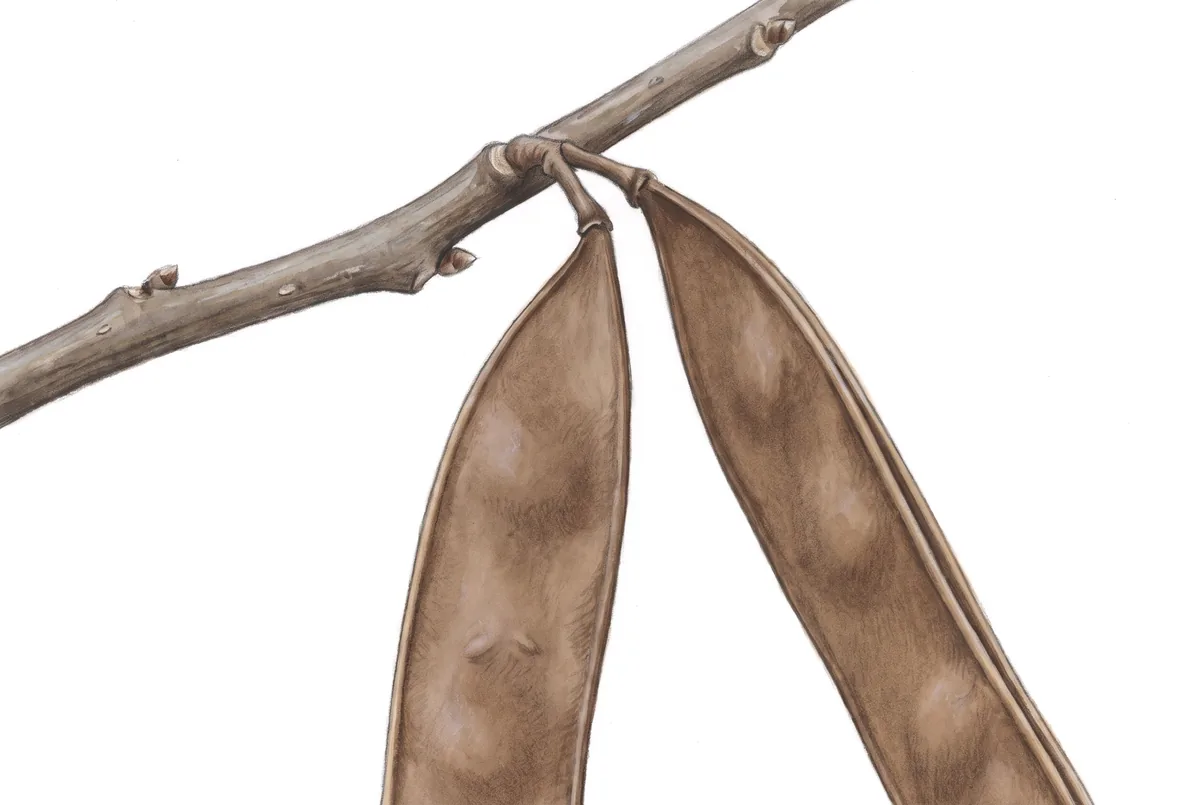
- North Carolina State Extension says Chinese redbud is usually shrub-like with several trunks, where eastern redbud, Cercis canadensis, is tree-like with one or two, and that the Chinese species generally has slightly larger, darker purple flowers, a shorter height and longer seed pods.
- Is Chinese redbud frost hardy?
- North Carolina State Extension, an American reference, says it is not winter hardy and can die back after a hard frost, and gives USDA zones 6 to 9. No Australian reference read gives a frost rating.
- Can Chinese redbud be moved once planted?
- North Carolina State Extension says it develops a deep tap root and is difficult to relocate, so the planting site should be chosen with care.
Sources
- GBIF species match API (Cercis chinensis Bunge, accepted)
- North Carolina State Extension Gardener Plant Toolbox (Cercis chinensis, Chinese redbud)
- HortFlora, the Horticultural Flora of South-eastern Australia (Royal Botanic Gardens Victoria): the genus Cercis
- The HortOS catalogue (the names growers list the Chinese redbud and its forms under)
The growers, sizes and prices above are live and change as lists arrive. Cite this page: HortOS, Chinese redbud (Cercis chinensis), https://au.hortosapp.com/plants/cercis-chinensis.
Found a fact that is wrong? Tell us and it is checked against its source.