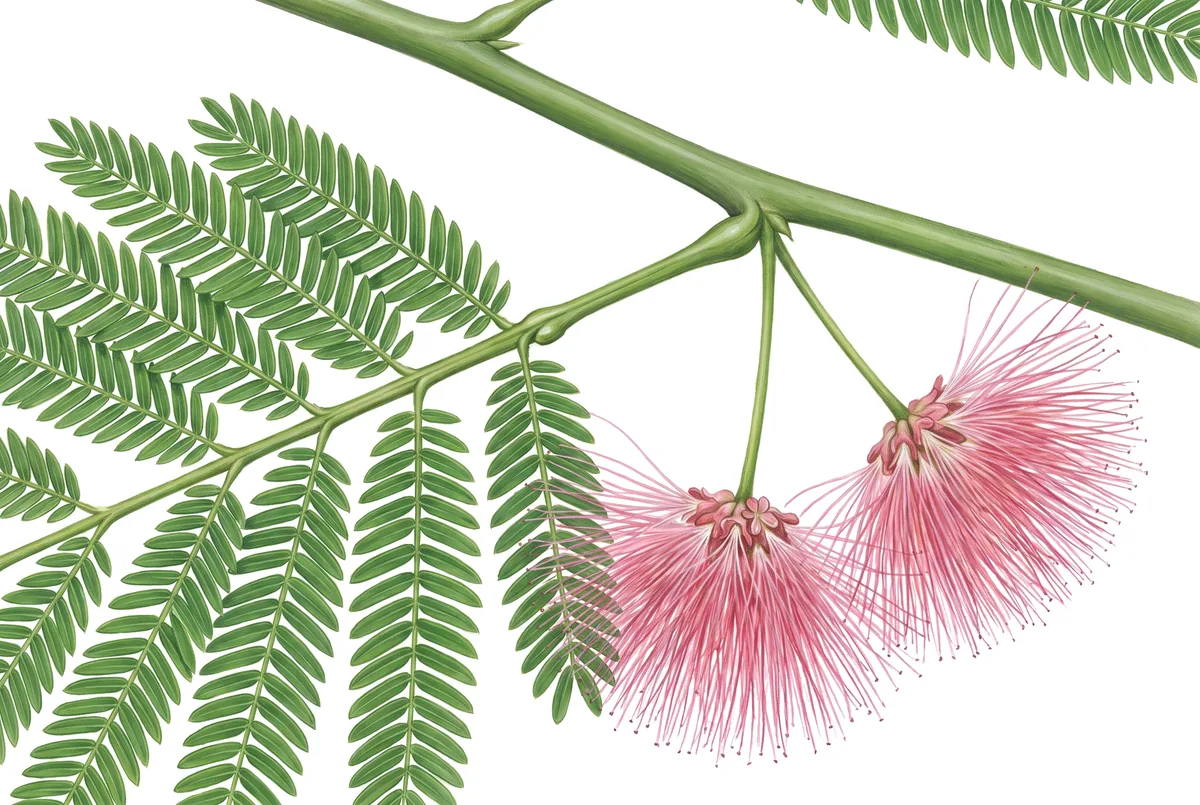
- Type
- Deciduous tree
- Height
- 3 m to 14 m
- Spread
- 3 m to 15 m
- Growth
- Fast
- Flowers
- Pink, summer by the South Australian Plant Selector+, which notes late summer to autumn
- Sun
- Full sun
- Drought
- Tolerant
- In Australia
- Not native
| Size | Grower | PricePrice ex GST | ||
|---|---|---|---|---|
| Tube | Turners Wholesale NurseryTube | $3.50 | ||
| 50mm | Daleys Fruit Tree Nursery50mm | $19.90 | ||
| 90mm | Daleys Fruit Tree Nursery90mm | $17.90 | ||
| 200mm | Monbulk Rose Tree and Shrub Farm Pty Ltd200mm | $17.50 | ||
| 200mm | Eumundi Roses200mm | $30.00 | ||
| 250mm | Treetop Wholesale Nursery250mm | $19.95 | ||
| 400mm | Monbulk Rose Tree and Shrub Farm Pty Ltd400mm | $75.00 | ||
| 400mm | Eumundi Roses400mm | $150.00 | ||
| 100L | Established Tree Transplanters Pty Ltd100L | Price on application. Sign in to ask the grower. |
Also grown by 4 nurseries (no sizes or prices listed)
Enquire with them for sizes and prices.
- Bell River NurserySpring Creek, NSW
- Blerick Tree FarmNeerim Junction, VIC
- Grove Propagation NurseryOrange Grove, WA
- River Road NurseryOaks Estate, ACT
Growing persian silk tree
Position and climate. The South Australian Plant Selector+ gives full sun and notes the flowers are not as plentiful in cooler climates. The Missouri Botanical Garden says the best flowering comes in full sun and that it thrives in high summer heat; its zone range, and North Carolina State Extension's, is USDA 6a to 9b, an American scale, not an Australian climate zone.
Soil and water. The Plant Selector+ lists clay, loam and sand, acid to alkaline, says it can tolerate moderately saline soils, ticks drought as tolerated and gives the supplementary watering as moderate. Missouri says it tolerates drought but grows best with regular watering, and that it tolerates poor and alkaline soils.
Pests and disease. American references report mimosa webworm, mites, cottony cushion scale and root rot, and North Carolina State Extension calls fusarium wilt a common and lethal disease of the tree. No Australian reference read describes its pests.
Upkeep. North Carolina State Extension calls it short-lived, with an average life of about 30 years by its count, and rates its upkeep high: the limbs are weak and may break in strong wind, and it sheds leaves, flowers and seed pods that need clearing up near buildings. North Carolina State Extension adds that it resprouts when cut back.
Using persian silk tree
The South Australian Plant Selector+ rates it a tough, fast-growing tree for driveways, for avenues and as the feature in a small garden, and lists it for ornament, shade and winter sun, being deciduous. The American references say the flowers are fragrant and draw bees, butterflies and birds.
The weed question comes before the order. In the United States it escaped cultivation: North Carolina State Extension calls it invasive in the south-east and does not recommend it for landscapes, and suggests the sterile forms 'Merlot Majik' and 'Summer Chocolate' for anyone who must plant it. In Australia, WeedScan lists it as an environmental weed and an invasive garden escapee, with a habitat that takes in floodplains, stream banks, grassland, woodland and roadsides. For the pink-flowered line sold by its common name, see pink silk tree.
What to check before you buy
Read the weed standing for the site first: WeedScan, run by the Centre for Invasive Species Solutions, lists Albizia julibrissin as an environmental weed and invasive garden escapee, and North Carolina State Extension says the seed is spread by wind, water and animals. The South Australian Plant Selector+ spells the name Albizzia, and HortFlora notes that spelling is a frequent error; it is the same plant. North Carolina State Extension lists forms with purple-brown or burgundy leaves, such as Chocolate Fountain, and HortOS has separate pages for the Chocolate Fountain lines. The guide to specifying and procuring trees covers what to set out when ordering trees, and the table above shows the sizes growers list. Stock that crosses a state border moves under the state and territory biosecurity rules on moving plants and soil.
Cautions
North Carolina State Extension says the seeds contain a neurotoxin that can be toxic to livestock and dogs when eaten, and calls the tree highly flammable. WeedScan lists it as an environmental weed in Australia.
Used forshadespecimenstreet and avenue
Prices are set by each grower and shown ex GST. Availability is confirmed by the grower at order.
Common questions
- Who grows Albizia julibrissin wholesale in Australia?
- 6 wholesale growers list Albizia julibrissin on HortOS right now, each with their own pot sizes and trade prices. They are in Victoria, New South Wales and Queensland. The growers are named on this page.
- What pot sizes does Albizia julibrissin come in?
- Growers on HortOS list Albizia julibrissin in Tube, 50mm, 90mm, 200mm, 250mm, 400mm and 100L.
- How do I order Albizia julibrissin from these growers?
- HortOS is for the trade. Add the lines you want to a list and send it: each grower gets their part of the order by email, confirms what they have and quotes freight, and nothing is bought until you approve it. Listing, searching and ordering are free.
- How big does a Persian silk tree grow?
- HortFlora gives a broad-domed small tree 3 to 6 m tall, and the South Australian Plant Selector+ 4 to 5 m high by 3 to 4 m wide. The Missouri Botanical Garden and North Carolina State Extension give 6 to 12 m high and 6 to 15 m wide, and WeedScan up to 14 m.
- Is Albizia julibrissin a weed in Australia?
- WeedScan, the Centre for Invasive Species Solutions' weed identification service, lists it as an environmental weed and an invasive garden escapee of woodlands, riparian areas, roadsides and floodplains. In the United States, North Carolina State Extension calls it invasive in the south-east.
- When does the silk tree flower?
- The South Australian Plant Selector+ gives summer, and notes the pink flower clusters appear in late summer to autumn and are not as plentiful in cooler climates.
- What do the leaves look like?
- HortFlora describes alternate, twice-divided leaves 15 to 30 cm long with 6 to 12 primary divisions, each carrying 20 to 30 opposite pairs of small stalkless leaflets to 1.3 cm long, which close at night. The American references give leaves to about 50 cm.
- Is the silk tree poisonous to dogs?
- North Carolina State Extension says the seeds contain a neurotoxin that can be toxic to livestock and dogs when eaten.
- Does the silk tree lose its leaves?
- Yes. The South Australian Plant Selector+, North Carolina State Extension and the Missouri Botanical Garden all give it as deciduous, and the Plant Selector+ lists it for winter sun.
- Is it Albizia or Albizzia?
- Albizia. HortFlora notes that the name is frequently spelt Albizzia in error, and the South Australian Plant Selector+ uses that spelling for the same plant.
Sources
- GBIF species match API
- HortFlora, the horticultural flora of south-eastern Australia (Royal Botanic Gardens Victoria): Albizia julibrissin
- HortFlora, the horticultural flora of south-eastern Australia (Royal Botanic Gardens Victoria): the genus Albizia
- South Australian Plant Selector+ (Botanic Gardens and State Herbarium of South Australia): Albizzia julibrissin
- Atlas of Living Australia: Albizia julibrissin
- WeedScan weed profile (Centre for Invasive Species Solutions): Pink mimosa, Albizia julibrissin
- North Carolina State Extension Gardener Plant Toolbox: Albizia julibrissin
- Missouri Botanical Garden Plant Finder: Albizia julibrissin
- The HortOS guides (specifying and procuring trees)
The growers, sizes and prices above are live and change as lists arrive. Cite this page: HortOS, Persian silk tree (Albizia julibrissin), https://au.hortosapp.com/plants/albizia-julibrissin.
Found a fact that is wrong? Tell us and it is checked against its source.