Adiantum aethiopicum Native Maidenhair
Maidenhair Fern
Part of Adiantum: see them all
No grower lists this plant right now
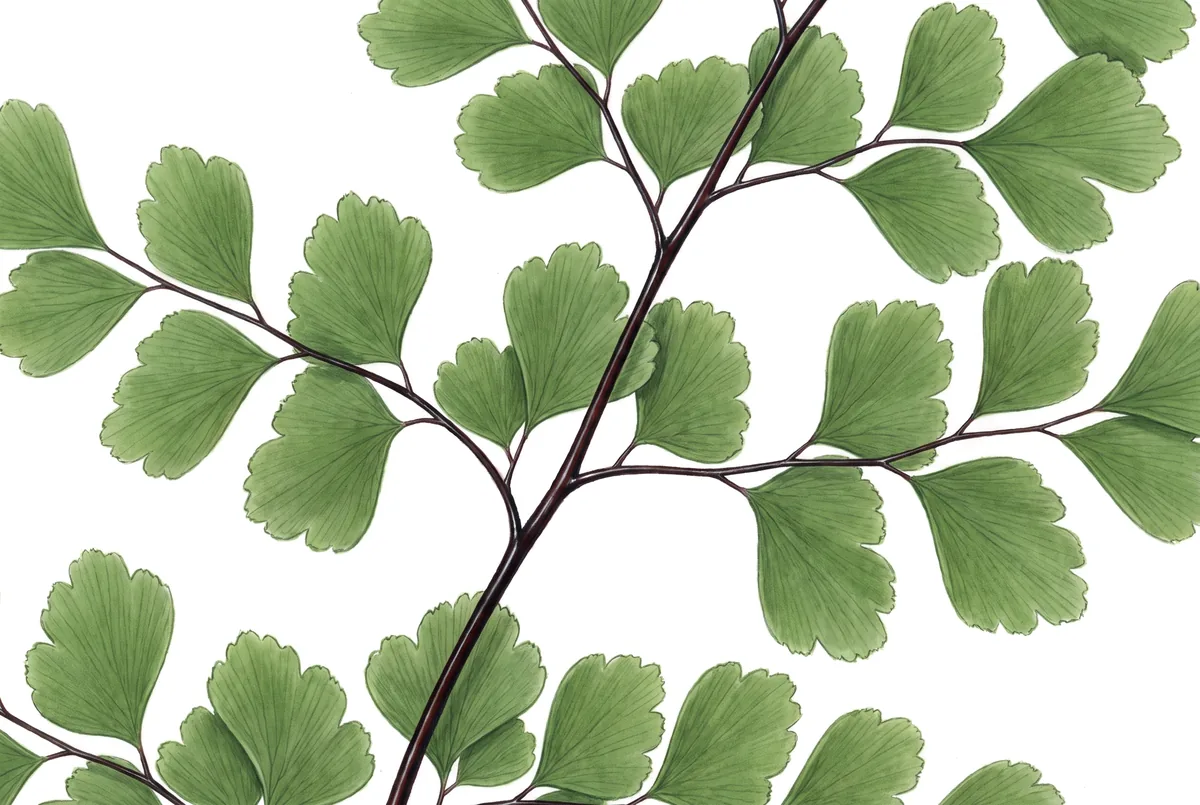
- Type
- Fern
- Height
- 0.1 m to 0.5 m
- Sun
- Shade, out of afternoon sun (the Australian Plants Society NSW); part shade by North Carolina State Extension
- In Australia
- Native
Using native maidenhair
What the name covers. The word native fits: the Flora of Australia gives this fern as native, and the Australian Plant Census gives it in every state. The word maidenhair does not narrow it: growers on the HortOS catalogue list other Adiantum species under maidenhair names too, among them rosy maidenhair (Adiantum hispidulum) and Adiantum fragrantissimum, and the Australian Plants Society NSW says Australia reportedly has around eight species of Adiantum. On a grower's list, then, the botanical name beside native maidenhair is what tells you the plant. Where that name is Adiantum aethiopicum, the line is this fern, the same plant as the lines growers list under Adiantum aethiopicum alone.
What to check before you buy
This page holds the lines listed as native maidenhair; the table above shows the sizes growers list under that name. Compare them with the lines under plain Adiantum aethiopicum before pricing an order, since the label changes nothing about the plant. For what to check in the pot, see the HortOS guide to judging nursery plant quality.
Used forpots and courtyardsindoor
Prices are set by each grower and shown ex GST. Availability is confirmed by the grower at order.
Common questions
- Is native maidenhair a cultivar?
- No. It is the straight species, Adiantum aethiopicum, listed under a descriptive name. Native maidenhair is the growers' own name for it; the Australian references read call it common maidenhair.
- Is native maidenhair the same plant as common maidenhair?
- Yes, when the line gives Adiantum aethiopicum. The Australian Plant Census and the Flora of Australia name that species common maidenhair, and the Australian Plants Society NSW common maidenhair fern.
- Is native maidenhair really native?
- Yes. The Flora of Australia calls it native, though doubtfully naturalised in parts of Victoria, and the Australian Plant Census gives it from Western Australia to Tasmania and on Norfolk Island.
- Do the lines under native maidenhair differ from those under Adiantum aethiopicum?
- Not in the plant. Both names on the HortOS catalogue carry the botanical name Adiantum aethiopicum, the one species; only the label differs, so compare the sizes and prices of the two sets of lines side by side.
- Is native maidenhair the same as the maidenhair tree?
- No. On the HortOS catalogue the maidenhair tree is Ginkgo biloba, a tree and a different plant altogether, listed under its own names; check the botanical name on the line before ordering.
Sources
- Australian Plant Census
- Flora of Australia (Australian Biological Resources Study), Adiantum aethiopicum
- Australian Plants Society NSW, plant database
- The HortOS catalogue (the name growers list it under)
- The HortOS guides (judging nursery plant quality)
The growers, sizes and prices above are live and change as lists arrive. Cite this page: HortOS, Native maidenhair (Adiantum aethiopicum), https://au.hortosapp.com/plants/adiantum-aethiopicum-native-maidenhair.
Found a fact that is wrong? Tell us and it is checked against its source.