Choosing Plants for a Nature Centre or Demonstration Garden
A demonstration garden should show plants visitors can find, buy and grow, at a standard of care a home can manage. This page covers choosing themes, choosing plants growers list in numbers, labels and interpretation, care at the visitor's scale, and the records that keep the garden useful.
Updated 24 October 2026. Plant counts and median trade prices from the live au.hortosapp.com plant and price pages on 25 October 2026; state grower counts from the hubs on 24 September 2026.
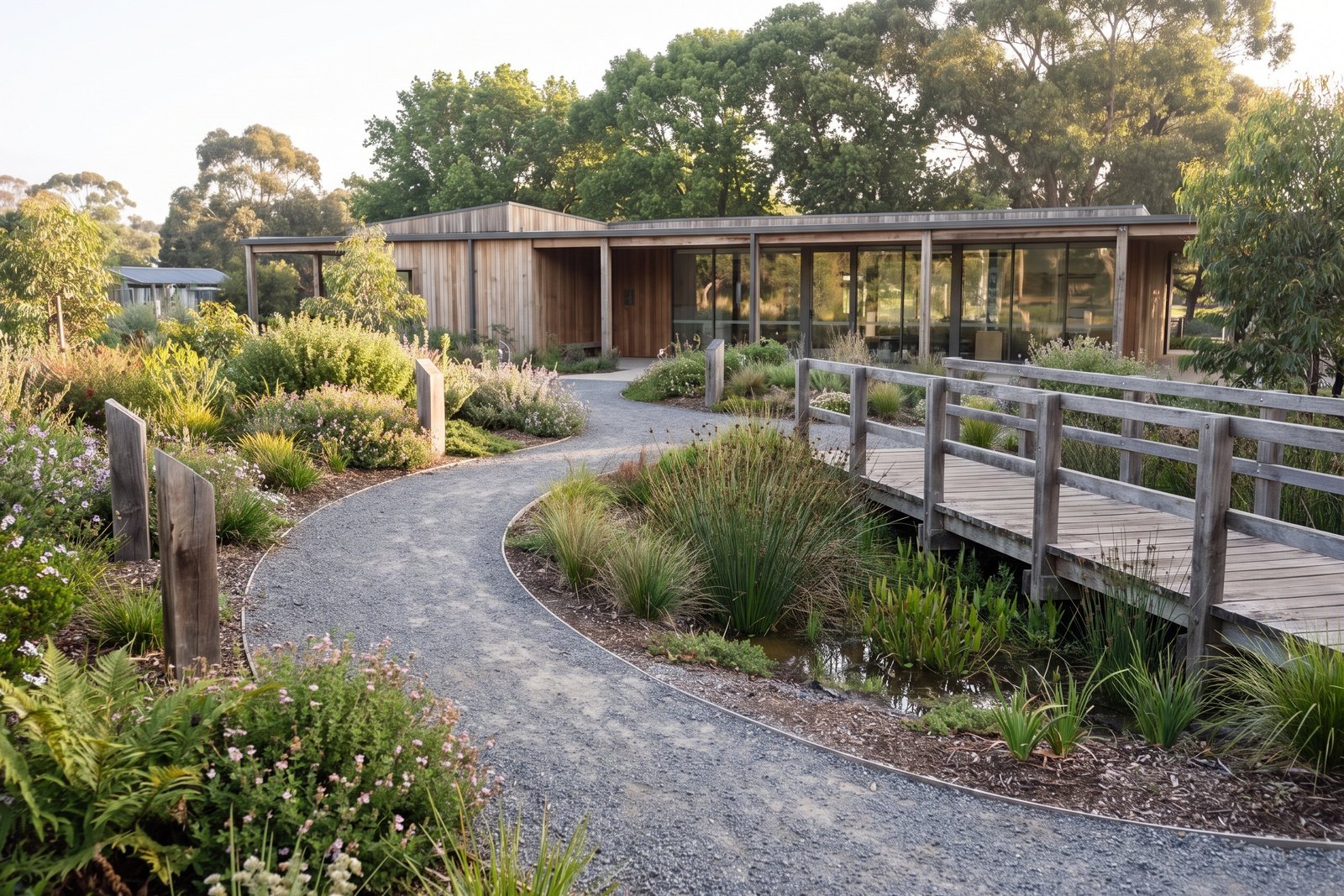
On this page
A demonstration garden exists to change what visitors do in their own gardens, and it fails when visitors admire it and then cannot buy anything in it. The one idea that matters most is that the plants in a demonstration garden should be ones visitors can find, buy and grow, shown at the scale and standard of care a home or a school can manage.
This page is for nature centres, extension and master gardener groups, botanic gardens and councils planning or renewing a demonstration garden. It covers choosing themes, choosing plants visitors can buy, labels and interpretation, the standard of care, and records. It draws on the bodies named below and on HortOS, a free directory of Australian wholesale plant growers with their published availability and trade prices.
Quick facts
| Teach one idea a bed | Each bed shows one practice a visitor can copy: a pollinator border, a rain garden, a hedge, a lawn alternative. |
|---|---|
| Plants visitors can buy | Choose plants that growers list in numbers, so visitors can find them. Rare plants belong in a collection, not a demonstration. |
| Label well | Common name, then the botanical name in italics, at a height children and wheelchair users can read. |
| Care at home scale | Maintain the garden to a standard a visitor could keep, not a standard only paid staff can. |
| Seasons of interest | Plan something in flower, fruit or leaf colour in every month visitors come. |
| Where the growers are | Growers listing these plants are on the state hubs: New South Wales, Victoria, Queensland. |
Choosing the themes
Start from the questions visitors ask. A demonstration garden near a new suburb might show lawn alternatives and screening hedges. One beside a school might show food plants and pollinator borders. One at a nature centre might show plants for local wildlife and a rain garden. Each bed should teach one idea clearly, with a short sign that says what the visitor could do at home.
Botanic Gardens of Australia and New Zealand connects the botanic gardens that run many of the demonstration and interpretive gardens, and regional native plant societies affiliated with the Australian Native Plants Society often plant and care for them.
Keep the beds small enough to read at a glance and to copy. A bed the size of a front garden, a verge or a school plot is one a visitor can picture at home. A sign that gives its size and the number of plants in it makes the step easier.
Plants visitors can buy
A demonstration garden earns its keep when a visitor leaves with a plant list they can use. That means choosing plants growers list in numbers, in sizes a home gardener can carry, and showing them at the size they reach in a few years. The table suggests themes and plants for each, with how many growers were listing each on HortOS on 25 October 2026. Grower counts are the growers listing each plant on HortOS on 25 October 2026, in any size.
| Theme | Plants and the growers listing each |
|---|---|
| Pollinator border | Coastal rosemary (Westringia fruticosa), 93; White correa (Correa alba), 68; Common everlasting (Chrysocephalum apiculatum), 19 |
| Raingarden | Tall sedge (Carex appressa), 83; Knobby club-rush (Ficinia nodosa), 30 |
| Native hedge and screen | Lilly pilly (Acmena smithii), 28; Brush cherry (Syzygium australe), 27; Weeping bottlebrush (Callistemon viminalis), 32 |
| Lawn alternative | Creeping boobialla (Myoporum parvifolium), 50; Native violet (Viola hederacea), 113; Blue flax-lily (Dianella caerulea), 55 |
| Shade and street trees | Tuckeroo (Cupaniopsis anacardioides), 81; Water gum (Tristaniopsis laurina), 54; Tulipwood (Harpullia pendula), 39 |
| Grassland | Common tussock grass (Poa labillardieri), 73; Kangaroo grass (Themeda triandra), 15; Spiny-head mat-rush (Lomandra longifolia), 130 |
Where a plant few growers list is essential to a theme, say so on its label and point visitors to where it can be found. Native plants for a pollinator patch and the guide to rain gardens and bioswales go further on two of the themes.
Labels and interpretation
The UF/IFAS Extension guide to signage in educational demonstration gardens says signs should be placed at a height children and wheelchair users can read, angled for easy viewing, and near the feature they describe. It advises avoiding red and green together, which some visitors cannot tell apart, and describes a plant label format, taken from the New York Botanical Garden, with the common name followed by the accepted scientific name in italics.
Add the plant's height, its sun and water needs, and one line on why it is in the bed. Labels fade and walk, so keep the master list indoors and replace labels on a schedule.
Seasons of interest
Visitors come in every season, and a demonstration garden that peaks for three weeks in spring teaches little the rest of the year. List the months the garden is open and the plants in each bed that flower, fruit, colour or hold seed heads in each, and fill the empty months first when choosing new plants. Evergreen structure, from hedges and grasses to shrubs with good form, carries the garden through the quiet months.
Show a plant through its whole year where that can be done. A label that says when a plant flowers and when it is cut back answers the question visitors ask most often in the quiet months, which is whether a bare plant has died.
Care at the visitor's scale
A demonstration garden kept perfect by a team of staff teaches visitors that the practice is hard. Keep it to the standard a busy household or a volunteer group could manage: mulched, weeded once a month, watered in the first summer and then only in drought. Let seed heads stand where a home gardener would. Visitors trust what they can see is achievable.
Volunteers and programs
Most demonstration gardens are kept by volunteers, and the garden's plan should fit the hours they have. A monthly working bee with a written task list, a lead for each bed and a short note of what was done keeps the work even through the year. Volunteers who know the plants can also guide visitors, and a regular open morning or a short talk in the garden reaches people a sign does not.
Tie the garden to the programs around it. A school group can adopt a bed, a garden club can hold a talk in it, and a society plant sale can offer the plants visitors have just seen growing. Each link brings new visitors and new hands.
Records and renewal
Keep a plan of every bed, a list of every plant with where it came from and when it was planted, and a note of how it did. When a plant fails twice, replace it with one that thrives and change the plan. The records also let the garden answer the visitor who asks where to buy a plant.
Photograph each bed from the same spot every season. The photographs show visitors how the beds change through the year, show volunteers what the beds looked like when they were working well, and make the case for the garden to its funders.
What to watch for
- Plants nobody can buy. A visitor who falls for a rare plant and cannot find it learns nothing they can use.
- Too many ideas in one bed. A bed that tries to show everything shows nothing clearly. One idea a bed.
- Labels that cannot be read. Small, faded or badly placed labels lose most visitors. Place them at an accessible height and replace them often.
- Staff-only standards. A garden kept beyond what a home could manage discourages visitors. Keep it achievable.
- No records. Without a plant list and a plan, the garden cannot answer questions or learn from failures.
Getting it right
- List the questions visitors ask, and choose one theme for each bed.
- Choose plants growers list in numbers, in sizes a visitor could buy, and plan seasonal interest.
- Label every plant with both names, its needs and why it is there, at an accessible height.
- Maintain the garden to a standard a household or volunteer group could keep.
- Keep a plan, a plant list and notes on how each plant did.
- Hand visitors a plant list for each theme they can take to a garden centre or nursery.
A word of caution
Which plants suit a garden depends on its site and climate, and the local experts named here know them best. The counts are what HortOS printed on 25 October 2026, and the live pages change as growers update their lists. A count is growers listing a plant, not how well it suits a site.
Sources
- Botanic Gardens of Australia and New Zealand: the botanic gardens network.
- Australian Native Plants Society (Australia): the native plant societies' national body.
- UF/IFAS Extension, Interpretive Signage in Educational Demonstration Gardens, Part 2: label format and sign placement.
- Royal Horticultural Society, Signs and labels for the garden: labelling plants in school gardens.
- Landcare Australia: community groups, grants and projects.
More guides
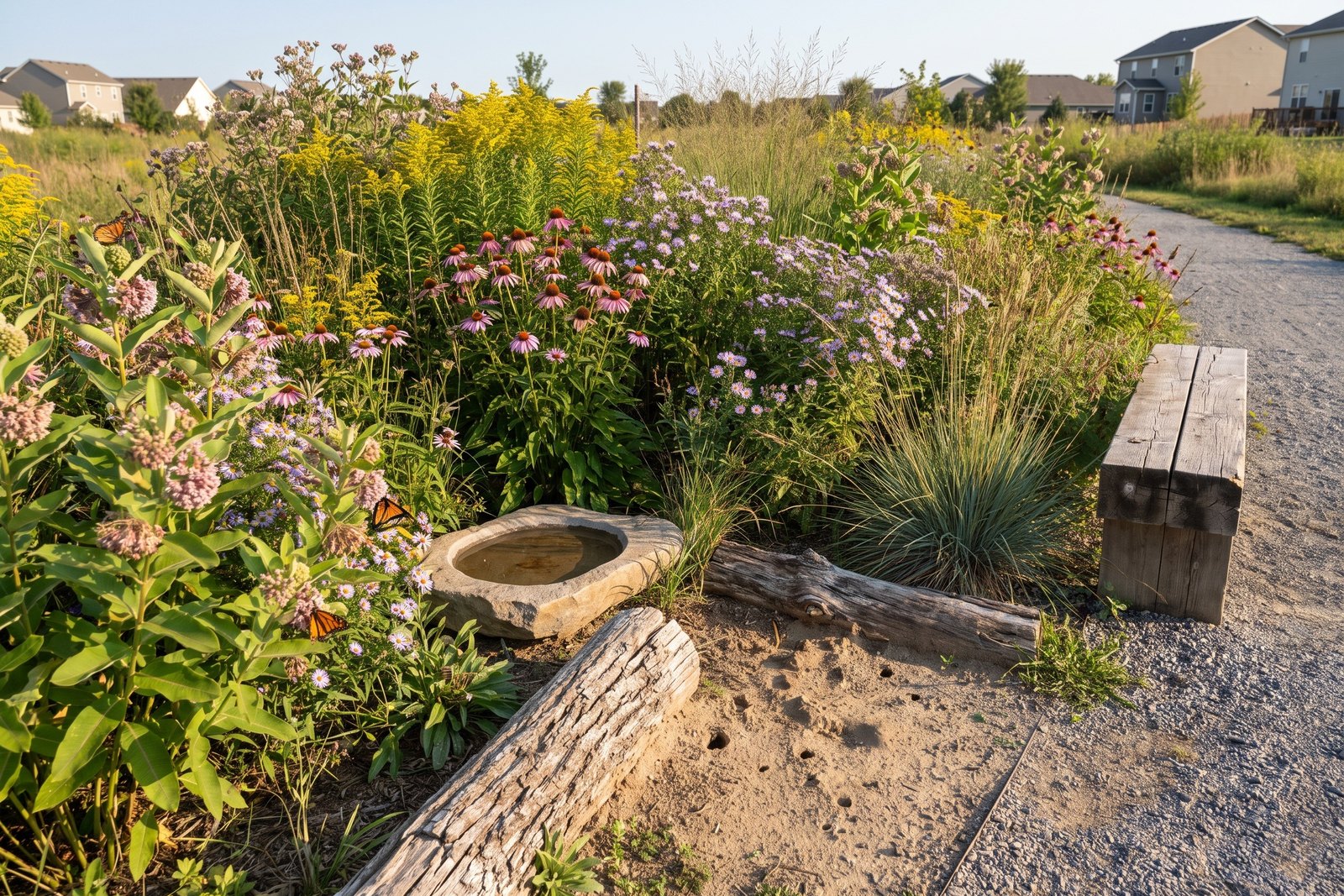
Native Plants for a Small Pollinator Patch
A small pollinator patch works when it does three jobs at once: flowers in sequence, host plants for caterpillars and places to nest, kept free of sprays. This page covers choosing the spot, native plants by the job they do, a flowering sequence and buying the plants from growers.
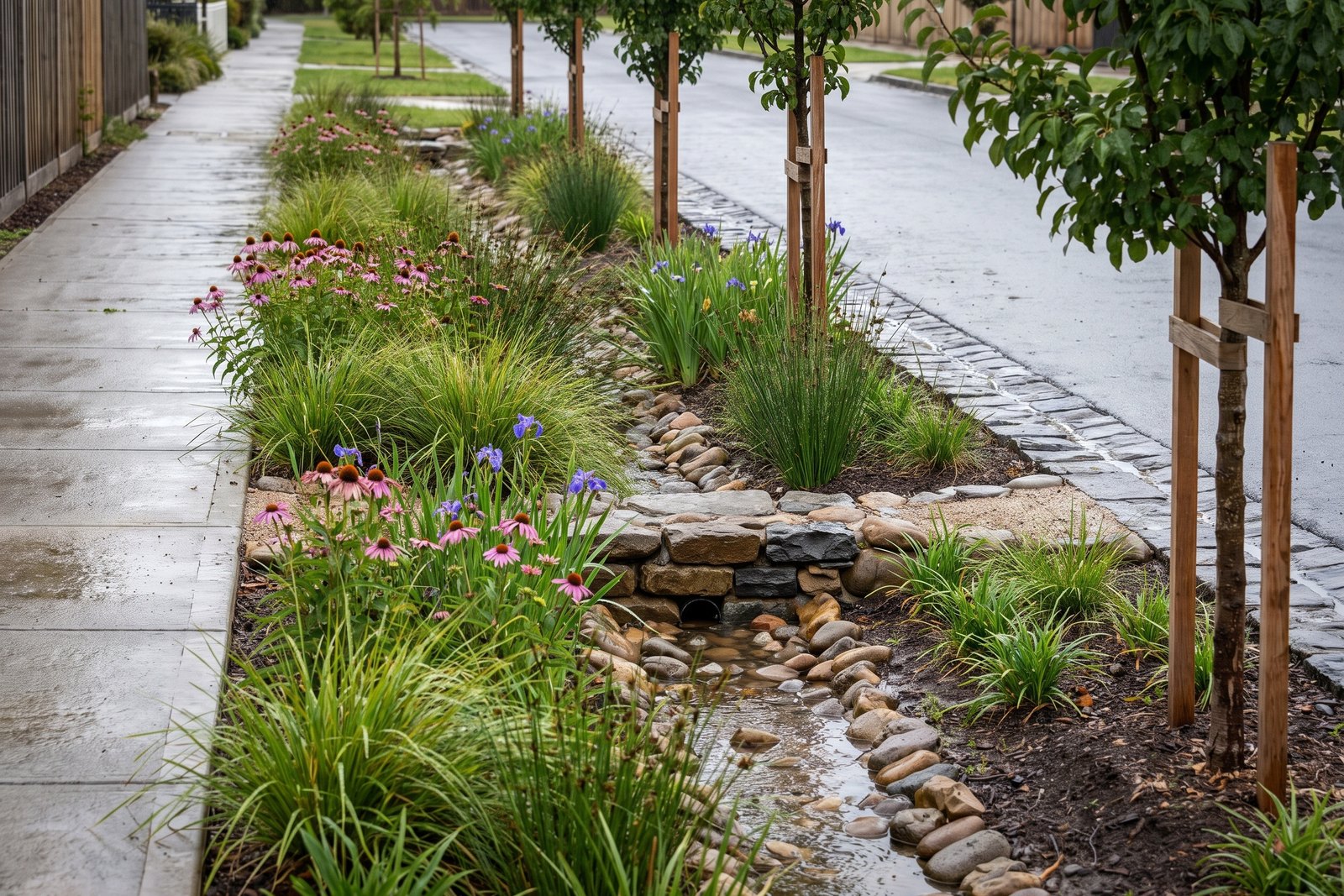
Raingardens and Bioswales: Siting, Soil and Plants
A rain garden is designed around the water first and the plants second, and its plants must take both a flood and a drought. This page covers what rain gardens and bioswales do, siting and sizing, the soil and the build, choosing plants for wet and dry, and looking after them.
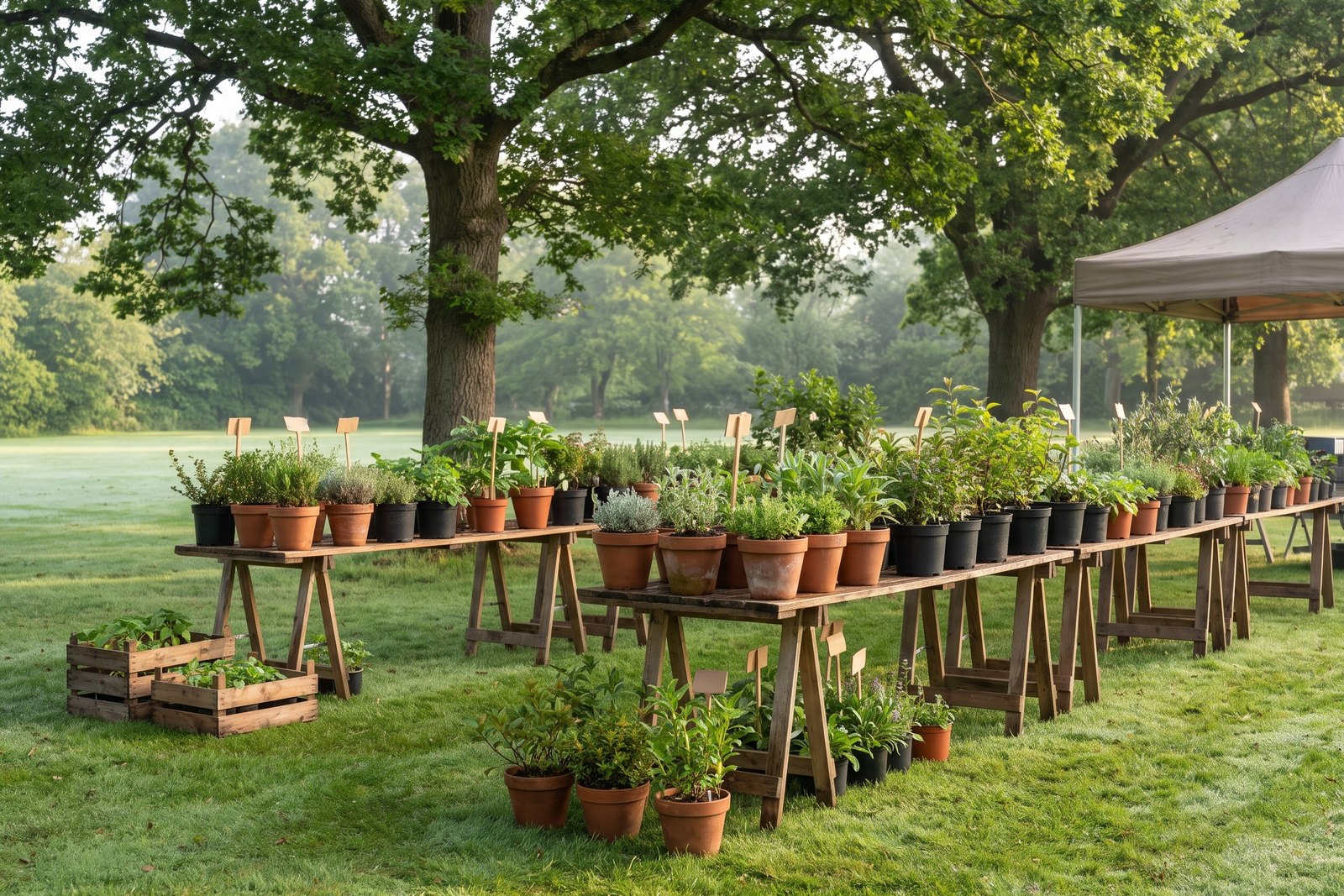
Running a Club or Society Plant Sale
A society plant sale works when member-grown stock and plants bought in from growers are planned together. This page covers the member-grown calendar, keeping members' pots healthy, filling the gaps from growers, labels and price bands, and the records that make next year's sale better.